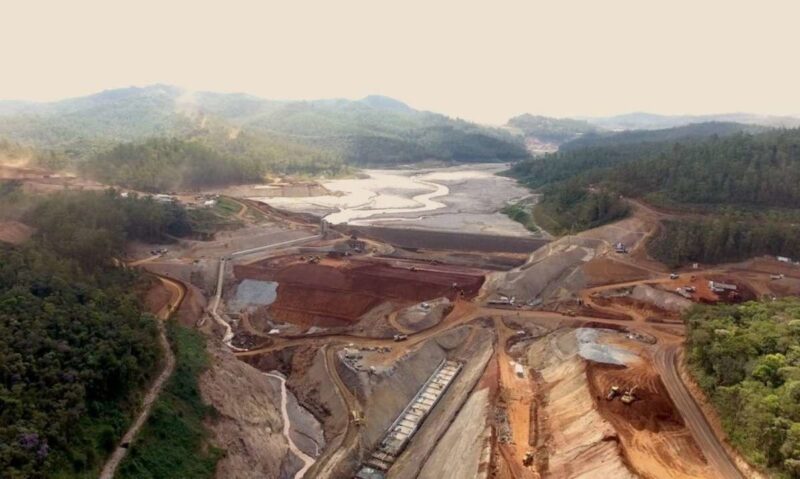
The fallout from the Samarco lawsuit continues to place Pogust Goodhead under significant pressure as legal, financial, and governance concerns remain in the spotlight. The firm, known for representing claimants linked to the Mariana dam disaster in Brazil, has faced increasing scrutiny while managing one of the world’s largest environmental compensation cases.
Financial And Legal Pressure Growing

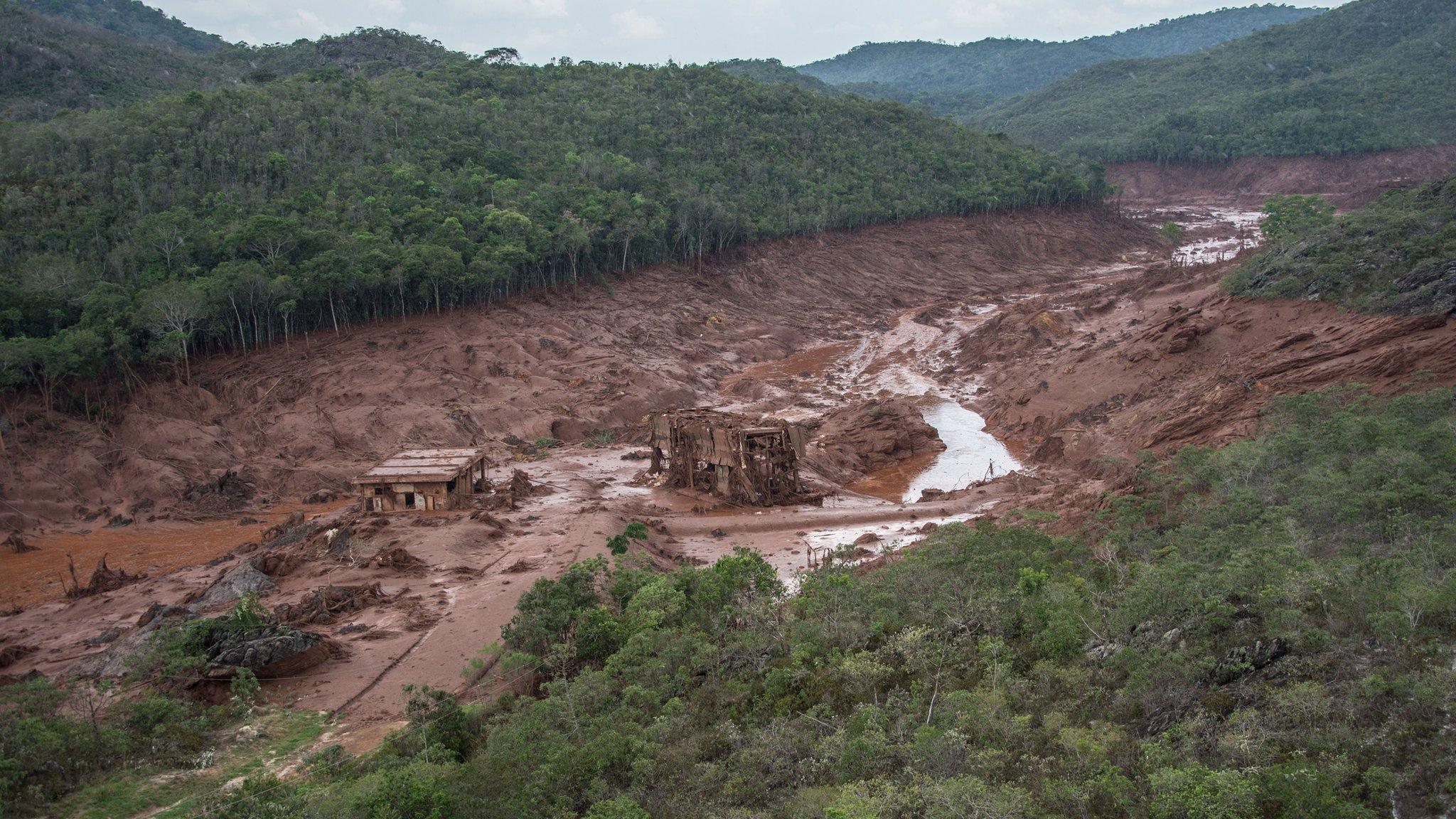
The Mariana dam collapse created massive environmental and economic damage, leading to years of legal action involving Samarco, BHP, and Vale. Pogust Goodhead became one of the most visible law firms connected to the case by representing thousands of claimants seeking compensation through UK courts.
Questions surrounding funding have become increasingly important as the litigation continues. Large international lawsuits require enormous financial resources, including legal teams, expert analysis, travel costs, and years of court proceedings. Because of this, litigation funders play a central role in supporting claims of this scale.
Why The Funding Debate Matters
Litigation funding allows claimants to pursue cases that would otherwise be financially impossible. In exchange, funders may receive a portion of any future settlement or damages award. While this model has expanded access to justice, critics argue that it also creates pressure on law firms to manage investor expectations alongside client interests.
For Pogust Goodhead, maintaining strong relationships with funders is critical because the Samarco litigation is both expensive and highly complex. Reports of governance concerns and internal disputes have therefore raised wider questions about financial management and operational stability.
Governance Concerns And Reputation
Recent controversy surrounding leadership changes and allegations about spending practices has added further pressure to the firm. Although Pogust Goodhead has continued to emphasize its commitment to clients and ongoing cases, reputational issues can influence confidence among investors, claimants, and industry observers.
The legal sector is paying close attention because the outcome may affect how future large scale environmental claims are financed and managed. If funders become more cautious about backing international group litigation, other claimant firms could face stricter financial oversight in the future.
Impact On The Samarco Case
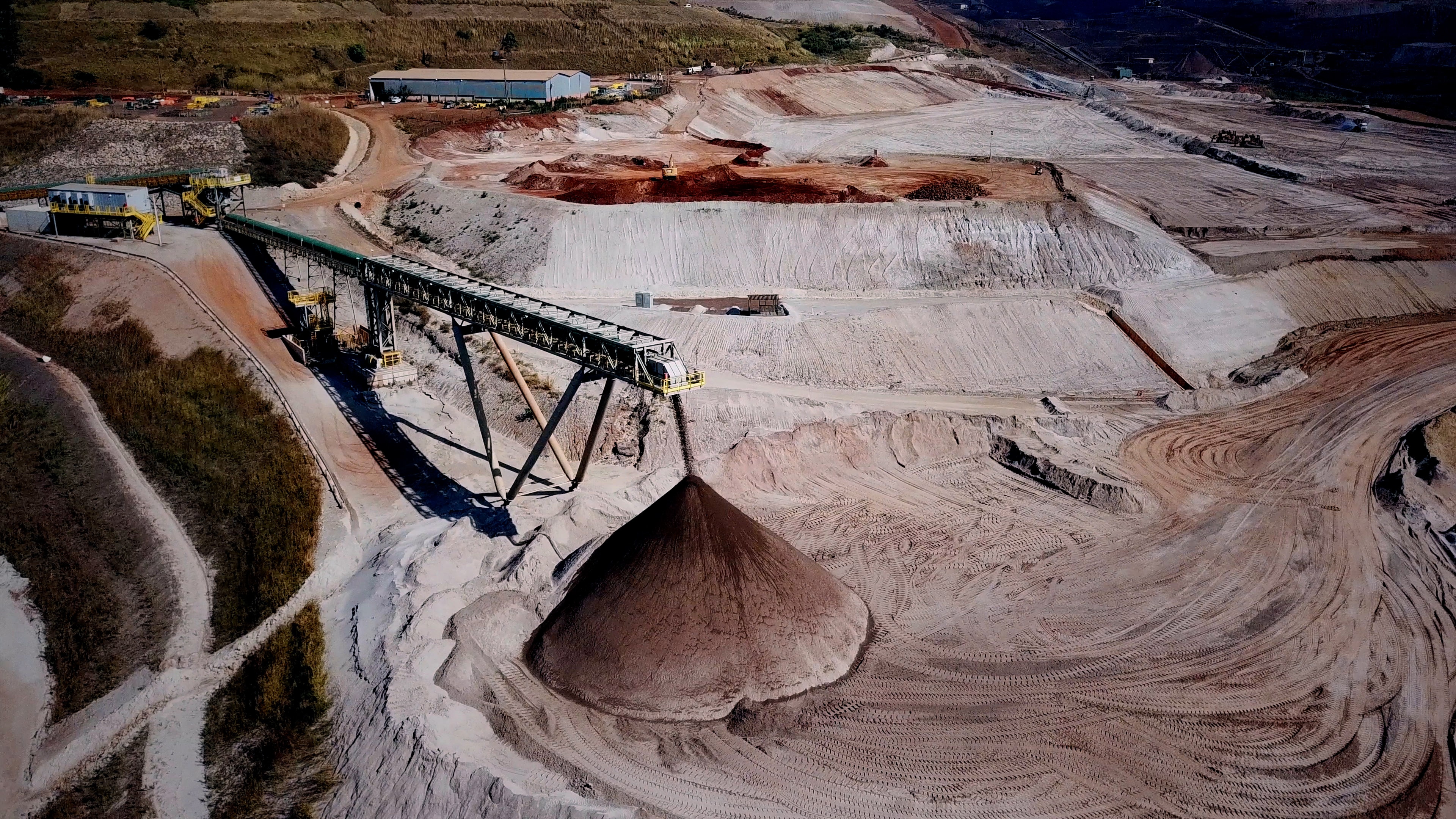
Despite the controversy, the Samarco lawsuit itself remains one of the most significant environmental claims ever pursued in international courts. Claimants continue seeking compensation for environmental destruction, business losses, and social harm connected to the 2015 dam collapse.
For affected communities, the legal battle is about more than financial damages. Many see the case as a fight for accountability and recognition after years of disruption and hardship. This keeps public attention focused on both the defendants and the law firms representing the claimants.
What Happens Next
Pogust Goodhead’s future reputation may depend on its ability to manage both legal success and internal governance challenges at the same time. The firm must show that it can continue handling complex international litigation while maintaining transparency, financial discipline, and operational stability.
The Samarco lawsuit fallout highlights how modern group litigation involves more than courtroom arguments alone. Funding structures, governance standards, and investor confidence now play a major role in determining how major legal battles are fought and sustained.