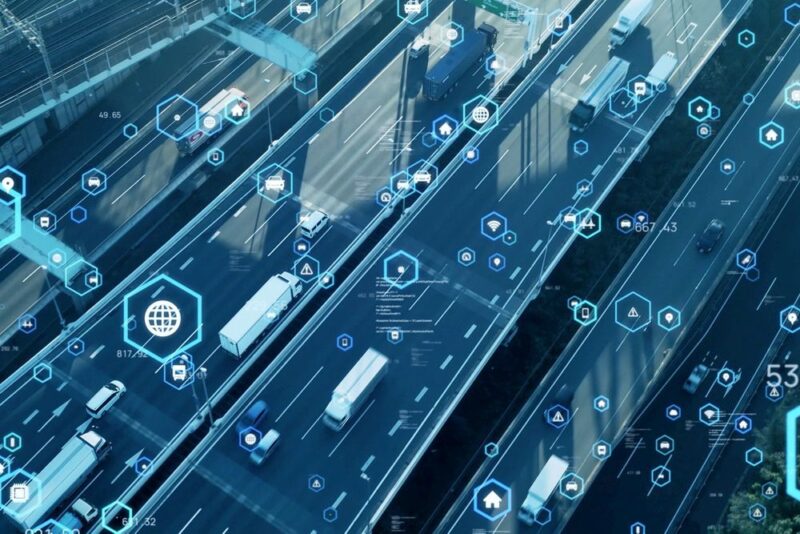
A water main bursts under Fifth Avenue. The power transformer behind the hospital starts smoking. Traffic backs up for six miles after a truck jack-knifes. City managers often learned of disasters hours later from angry residents. But waiting that long costs money and, sometimes, lives.
Why Real-Time Data Changes Everything
Five minutes or five hours. That gap makes all the difference when problems hit. Cities that know immediately can fix things before they spiral out of control. Water systems leak money through old pipes. Years ago, nobody knew about leaks until the asphalt buckled or Mrs. Johnson called about her disappearing water pressure. Today’s sensors detect tiny pressure drops. They fix the pipe while it’s a minor leak.
This works for pretty much anything a city runs. The power grid catches a transformer getting too hot and swaps the load to another line. No blackout.
Transit dispatchers watch their buses crawl through construction zones and send extras to pick up the slack. Streetlights text the repair crew: “Hey, I’m broken.” They get fixed in days, not months.
The Technology Behind Instant Awareness
Sounds easy, right? Just watch everything. But “everything” in a city means thousands of sensors scattered across hundreds of square miles, all chattering away every second. That avalanche of data has to go somewhere useful. Connected devices do the heavy lifting. Traffic sensors clock every car.
Pollution monitors sniff the air. Cameras keep watch at busy corners. Smart meters count every kilowatt and gallon. Each gadget fires off updates to computers that assemble the puzzle pieces into a picture that actually makes sense.
Here’s where smart city IoT solutions come into play. Companies like Blues IoT built platforms that make this circus manageable. Their systems get sensors online fast and keep the data flowing, whether the device sits in a flooding storm drain or bakes on a rooftop in August. Cities finally have tools that work without breaking the budget.
Breaking Down Information Barriers
Most cities run like a bunch of separate kingdoms. Water workers don’t communicate with road crews. Police do their thing while traffic control does theirs. The ambulance dispatcher has no clue what the fire chief knows. It’s a mess. Real-time systems smash these walls.
Every department sees the same screen showing the same problems at the same moment. Water main explodes? The system alerts road crews to closures, warns hospitals of pressure loss, and directs traffic control. Everyone’s on the same team, sharing one playbook.
The Human Side of Data
Regular people benefit too. Cities push live updates straight to phones. You check the traffic before you leave. The school bus’s location is displayed on a map, indicating the optimal time to head to the bus stop. The app’s warning indicates that the air quality is poor today, suggesting you postpone your jog.
Transparency builds trust in cities. That road project taking forever? The app shows five emergency repairs eating up the crew’s time. Air quality alert?
The monitor readings prove it’s not just bureaucrats being paranoid. Crime dropping? The stats back it up. Transparency beats silence every time.
Conclusion
Cities get more complicated every year. More people, more traffic, more demands for better service. Real-time visibility isn’t some fancy extra anymore. It’s how cities keep up. Residents expect immediate responses because that’s how the rest of their world works.
City managers who can’t see problems instantly will watch those problems eat their budgets alive. The tools exist right now to give cities the sight they desperately need.
Smart cities will grab these tools and thrive. The rest will stumble around blind, wondering why nothing works and nobody’s happy.