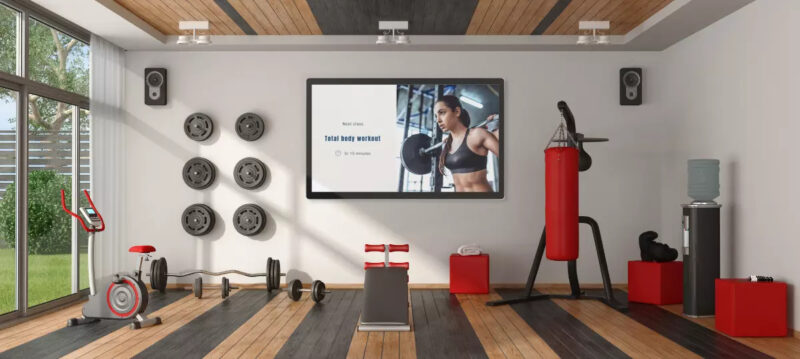
A great fitness class feels organized from start to finish. Members know what comes next, coaches spend more time teaching and less time repeating instructions, and the overall energy stays high. One tool that has become increasingly valuable in modern studios is the workout screen.
Workout screens are no longer just timers mounted on a wall. They help structure classes, guide transitions, display exercises, and create a smoother experience for both instructors and participants. When used correctly, they can transform how a class flows from warm up to cooldown.
Why Class Structure Matters More Than Ever
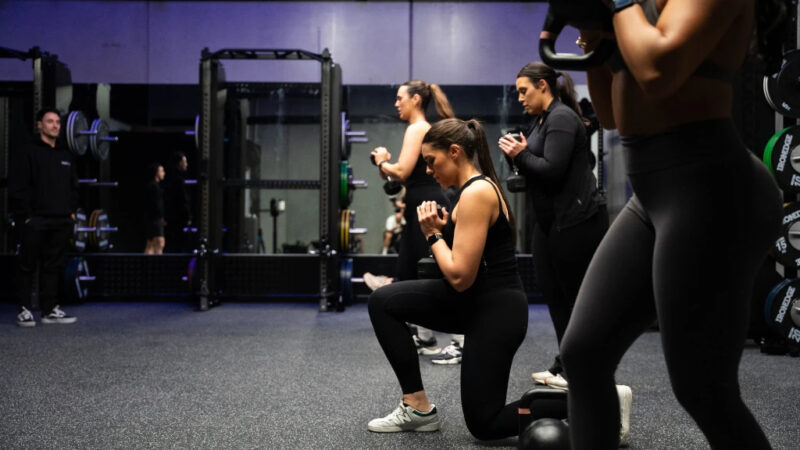
Group fitness has become more competitive. Members expect professional coaching, clear communication, and a seamless experience every time they walk into a studio.
Poor structure creates confusion. Participants miss instructions, transitions take too long, and coaches end up repeating the same information throughout the session. Over time, that can affect member satisfaction and retention.
Workout screens help create consistency by keeping everyone focused on the same information at the same time. Many modern fitness facilities use digital displays to communicate schedules, workout details, and real time updates because visual communication is often easier to follow than verbal instructions alone.
A well structured class generally includes:
- A clear warm up phase
- Defined workout blocks
- Smooth transitions between exercises
- Visible timing cues
- A proper cooldown
When members always know where they are in the workout, the entire experience feels more professional.
Using Workout Screens to Guide Every Stage of a Class
The biggest advantage of workout displays is clarity.
Instead of relying solely on verbal explanations, instructors can display workout blocks, exercise order, interval timing, and movement demonstrations directly on screen. Fitness display systems are increasingly being used as instructional tools rather than simple information boards.
For example, many studios now use a dedicated Gym Workout TV setup to display workout stations, timers, movement standards, and transition prompts. This allows coaches to focus on technique correction and member engagement rather than repeatedly explaining logistics.
When members can quickly glance at a screen and understand what’s happening next, interruptions decrease and class momentum improves.
What workout screens typically display
- Exercise sequences
- Work and rest intervals
- Station rotations
- Movement demonstrations
- Progression cues
- Class timers
The result is a more organized training environment with fewer delays.
Creating Better Transitions Between Workout Blocks

Transitions are often where fitness classes lose energy.
A workout may be excellent, but if participants spend two minutes wondering where to go next, the rhythm disappears. Effective screens help eliminate that problem.
A countdown timer can signal when a station is ending. A transition slide can show the next exercise or training zone. Visual prompts reduce uncertainty and help participants move confidently.
Important note: Research and industry experience consistently show that visual communication improves information retention compared with relying on spoken instructions alone. Fitness facilities increasingly use screens because members can process information quickly while remaining focused on their workout.
This becomes especially valuable in HIIT, circuit training, bootcamp, and functional fitness classes where movement between stations happens frequently.
Members spend less time asking questions and more time exercising.
Improving Coach Efficiency Without Reducing Personal Attention
Some studio owners worry that technology may replace personal coaching. In reality, the opposite often happens.
When workout information is visible on screen, coaches gain more freedom to interact with participants. Instead of constantly announcing timings or explaining the next station, they can focus on coaching quality.
| Coaching Task | Without Screens | With Screens |
| Timing intervals | Manual tracking | Automated display |
| Exercise reminders | Frequent repetition | Visible instructions |
| Station changes | Verbal only | Visual and verbal |
| Technique coaching | Limited time | More available time |
| Member engagement | Divided attention | Greater interaction |
Many fitness facilities report that digital displays reduce repetitive communication tasks while improving overall organization.
Members still receive personal coaching, but instructors can dedicate their attention where it matters most.
Making Classes More Engaging and Motivating
Structure alone is valuable, but engagement is equally important.
Workout screens can display performance metrics, progress indicators, movement videos, and motivational prompts that keep participants focused throughout the session.
Some fitness concepts even use large screens to show heart rate zones and workout data during classes, helping participants understand their effort levels in real time.
Did you know?
Many gyms use screens not only for workouts but also for schedules, announcements, community achievements, and member milestones. This helps create a stronger sense of connection and encourages repeat attendance.
A screen should never become a distraction. The best implementations support the workout rather than compete with it.
When participants feel informed and motivated, they are more likely to stay engaged from beginning to end.
Choosing the Right Content for Different Class Types
Not every class needs the same display strategy.
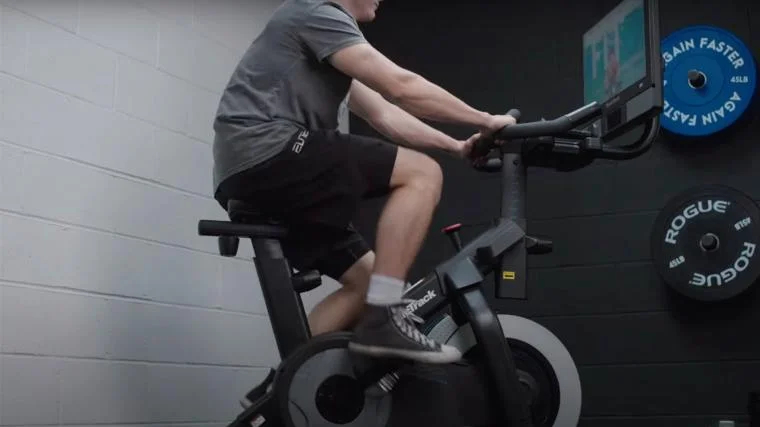
Cycling classes may focus heavily on interval timing and performance metrics. Strength classes may prioritize exercise demonstrations and set structures. Circuit training sessions often benefit from station maps and rotation prompts.
The most effective studios match screen content to the workout style rather than using a one size fits all approach. Industry guidance increasingly separates communication screens from workout execution screens because each serves a different purpose.
Some practical examples include:
- HIIT classes using interval timers and exercise rotations
- Strength sessions displaying sets, reps, and movement standards
- Functional fitness classes showing workout blocks and transitions
- Group training sessions highlighting station assignments
The goal is always the same: reduce confusion and improve flow.
Bringing More Consistency to Every Class
Consistency is one of the strongest predictors of member satisfaction.
Participants appreciate knowing that every class follows a clear structure regardless of which coach is leading the session. Workout screens help standardize communication, timing, and workout presentation without removing an instructor’s unique coaching style.
Digital display systems are increasingly being used because they provide real time updates, improve communication, and support a more organized member experience.
For fitness studios looking to improve class structure, workout screens offer a practical solution. They help organize sessions, simplify transitions, support coaches, and keep members engaged. When integrated thoughtfully, they become an operational tool that enhances the entire class experience rather than simply another screen on the wall.