Geomembrane liners are used to prevent liquids and contaminants from escaping from landfills, ponds, mining facilities, tanks, and other containment systems. Even a small hole can reduce the effectiveness of the barrier and create environmental, operational, and financial risks.
Some defects are easy to see during a visual inspection, while others are extremely small or hidden beneath protective soil, drainage material, or water. Electrical leak detection provides a systematic way to locate these discontinuities before they develop into larger problems.
How Electrical Leak Detection Works
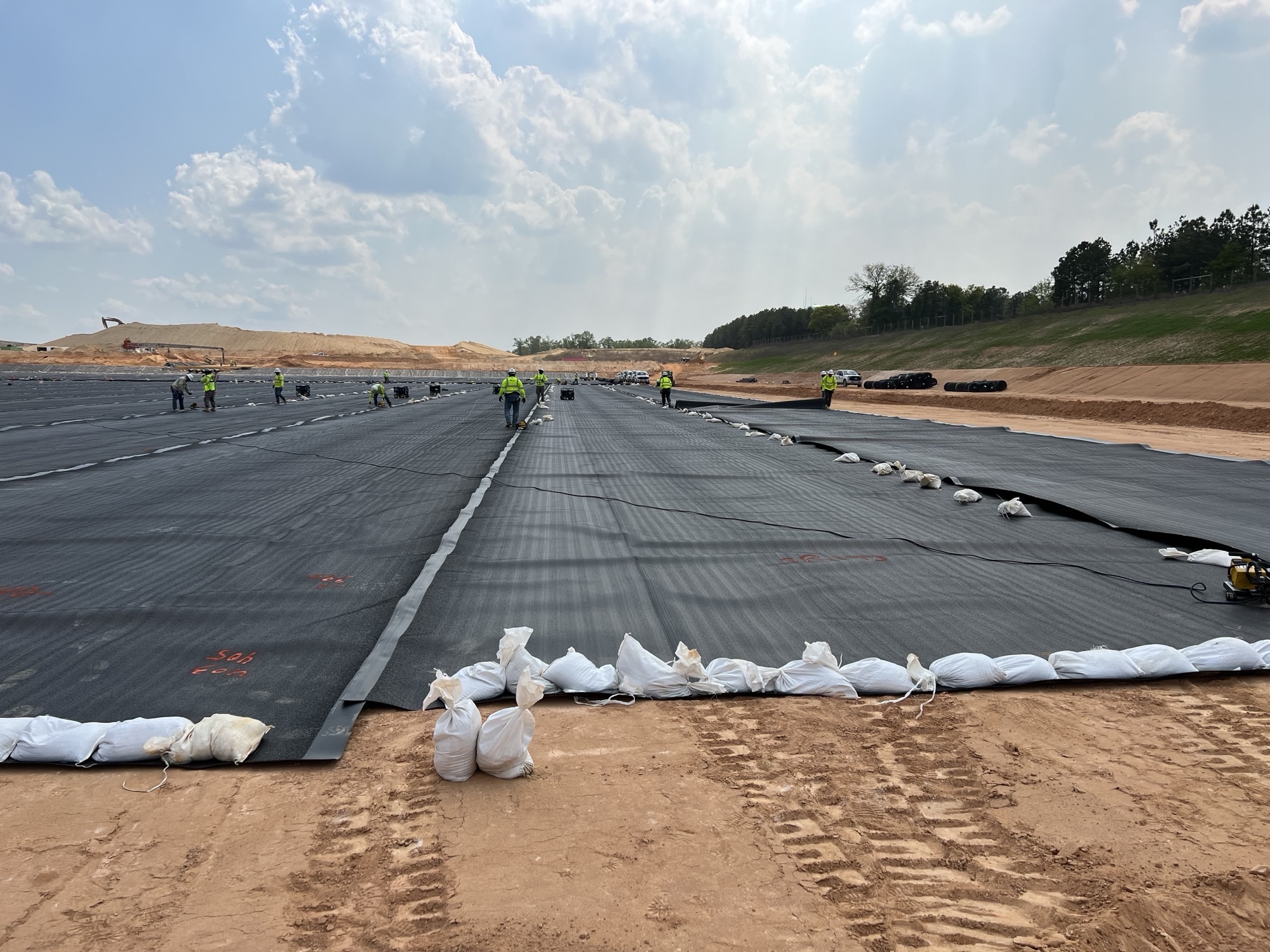
Electrical leak detection relies on the difference in electrical properties between the insulating geomembrane and the conductive materials around it. When the liner is intact, it separates the electrical potential applied above and below the barrier.
A hole creates a path through which electrical current can pass. Specialised equipment measures changes in the electrical field, allowing trained technicians to identify the approximate location of the defect for closer inspection and repair.
The selected method depends on whether the liner is exposed or covered. Water-based, soil-covered, dipole, arc, and other survey techniques may be used according to the liner configuration, site conditions, and applicable project requirements.
Successful testing requires suitable conductivity on opposite sides of the geomembrane. Moisture conditions, liner thickness, wrinkles, penetrations, grounding, and surrounding materials can influence the survey and must be considered during planning.
When Spark Testing Is Used

Spark testing is commonly considered for exposed geomembrane systems where a conductive layer or substrate is located beneath the liner. The equipment applies an electrical potential while the operator moves a test probe across the surface.
When the probe passes over a discontinuity, the electrical circuit is completed and the equipment produces a visible or audible response. This allows small punctures and openings that might be missed during visual inspection to be marked for repair.
Project teams evaluating whether this method is appropriate can explore information about spark testing and learn more about its equipment requirements, applications, and limitations before adding it to an inspection programme.
The voltage and testing procedure must be suitable for the geomembrane material and thickness. Incorrect settings or poor operating technique can produce unreliable results or potentially affect the liner, so testing should be completed by experienced personnel.
Locating, Repairing and Retesting Defects
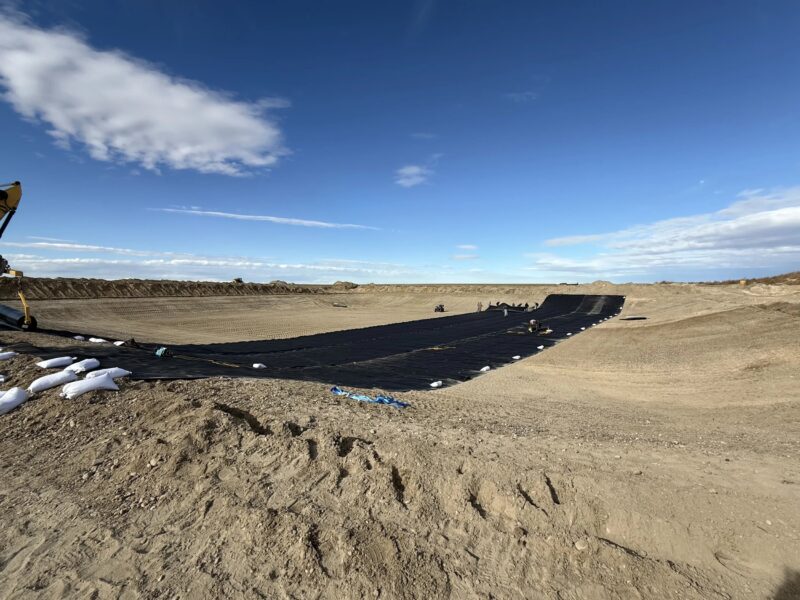
Before a survey begins, the test area should be prepared and obvious damage should be repaired. Loose materials, standing water, folds, and other surface conditions may interfere with equipment movement or obscure sections of the geomembrane.
When the equipment indicates a potential leak, the location is marked and examined closely. The inspector then determines the size and type of defect so that an appropriate repair method can be selected.
Small holes are often repaired using a compatible geomembrane patch welded over the affected area. Larger tears, damaged seams, and irregular defects may require more extensive cutting, patching, or reseaming in accordance with the project specifications.
Every repair should be inspected and tested again before the liner is covered or placed into service. Survey reports should record the method used, equipment settings, site conditions, defect locations, repairs, and final test results.
Conclusion
Electrical leak detection finds hidden geomembrane damage by identifying electrical current passing through openings in the liner. It can reveal small defects that are difficult to locate through visual inspection alone.
When the correct method is selected and site conditions are properly prepared, electrical surveys provide valuable evidence about liner integrity. Locating, repairing, and retesting defects before operation helps reduce leakage risk and protect the long-term performance of the containment system.