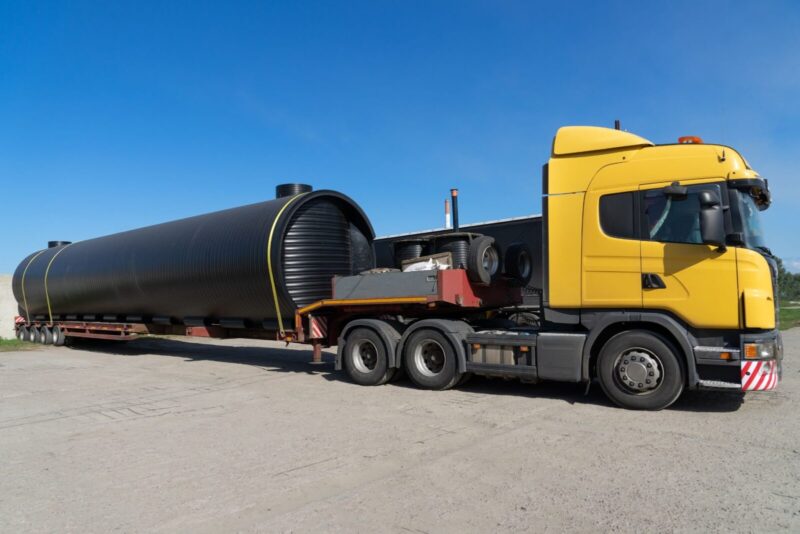
Moving heavy machinery, large structural components, industrial equipment, and other unusual loads requires more planning than standard freight transport. The cargo may exceed normal limits for width, height, length, or weight, creating additional safety and logistical challenges.
A successful movement depends on accurate measurements, suitable vehicles, route assessments, permits, loading equipment, and coordination between everyone involved. Planning early helps prevent delays, damage, regulatory problems, and unsafe conditions.
Assessing the Load and Selecting Equipment

The planning process begins with complete information about the cargo. Transport providers need accurate dimensions, total weight, centre of gravity, lifting points, structural limitations, and details of any removable components.
Businesses preparing to move oversize freight can use this article to understand why precise load information must be provided before a vehicle, trailer, or lifting system is selected.
Heavy and unusual loads may require extendable trailers, low loaders, platform trailers, modular transporters, cranes, or specialised restraint systems. The selected equipment must have sufficient capacity while keeping the load within safe operating conditions.
Engineers or equipment manufacturers may need to confirm whether the cargo can tolerate lifting, vibration, braking forces, and road movement. Fragile or irregularly shaped items may require custom frames, supports, protective covers, or purpose-built transport cradles.
Planning the Route and Required Approvals

An oversized load cannot always follow the most direct route. Bridges, tunnels, roundabouts, narrow roads, steep gradients, low powerlines, traffic signals, and weight restrictions can determine which roads are suitable.
A route survey may be completed to measure clearances and identify potential hazards. In some cases, signs, barriers, overhead services, or street furniture must be temporarily moved before the transport vehicle can proceed.
Permits and road authority approvals may be required when the vehicle and load exceed standard transport limits. Conditions can specify approved routes, travel times, speed restrictions, warning equipment, escort vehicles, and weather limitations.
Police escorts, pilot vehicles, traffic management crews, utility providers, and local authorities may also need to participate. Each party must understand the schedule and their responsibilities before the journey begins.
Transport is sometimes arranged during off-peak or overnight periods to reduce traffic disruption. However, night movement requires appropriate lighting, visibility controls, and careful management of fatigue.
Managing Loading, Transport and Delivery

Loading and unloading areas must provide stable ground, sufficient working space, and safe access for vehicles and lifting equipment. Ground-bearing capacity should be checked when cranes, outriggers, or heavily loaded trailers will be used.
A documented lifting and loading procedure helps coordinate operators, drivers, riggers, and site personnel. The load should be positioned to maintain vehicle stability and distribute weight correctly across the trailer and axles.
Restraints must be selected according to the cargo’s weight, shape, and expected movement forces. Chains, straps, blocking, bracing, and engineered supports may be combined to prevent shifting during acceleration, braking, and cornering.
Delivery sites should be inspected before transport begins. Restricted entrances, overhead obstructions, soft ground, limited turning space, and active site operations can prevent safe unloading.
Weather and road conditions should be monitored throughout the journey. Strong winds, heavy rain, flooding, and reduced visibility can make movement unsafe and require the schedule to change.
Conclusion
Oversized transport requires detailed coordination between load assessment, equipment selection, route planning, approvals, escorts, and site preparation. A problem in any one of these areas can disrupt the entire movement.
By providing accurate information and involving experienced transport specialists early, businesses can reduce risk and avoid preventable delays. Careful planning allows heavy and unusual loads to reach their destination safely and efficiently.