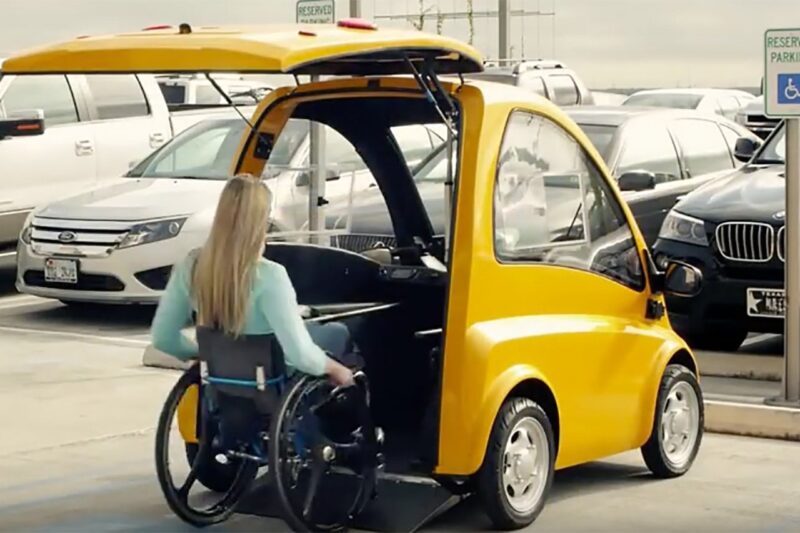
Accessible transportation can make a significant difference to everyday independence. For people with disabilities, getting to work, appointments, shops or social activities may depend on whether a vehicle can accommodate their individual mobility requirements. Modern accessible vehicle design is increasingly focused on making these journeys safer, simpler and more comfortable.
Better Boarding Systems Make Vehicles Easier to Use
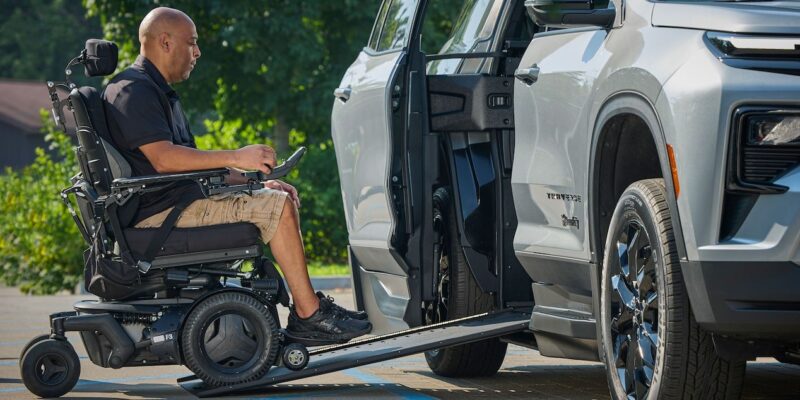
Entering and leaving a vehicle can be one of the biggest challenges for passengers who use wheelchairs or other mobility aids. Accessible vehicles can address this through purpose-built ramps, wheelchair hoists and appropriately designed entry areas. Australian guidance recognises wheelchair passenger ramps and hoists among common vehicle modifications used to help people travel as passengers.
Design is important because accessibility involves more than simply fitting a ramp. There needs to be sufficient room to approach, enter and manoeuvre safely. Equipment also needs to be appropriate for the vehicle and maintained so that passengers can rely on it during regular journeys.
These improvements can reduce the physical effort involved in boarding and may also make transportation more practical for carers, family members and professional drivers assisting passengers.
Safety and Comfort Continue Once the Journey Begins
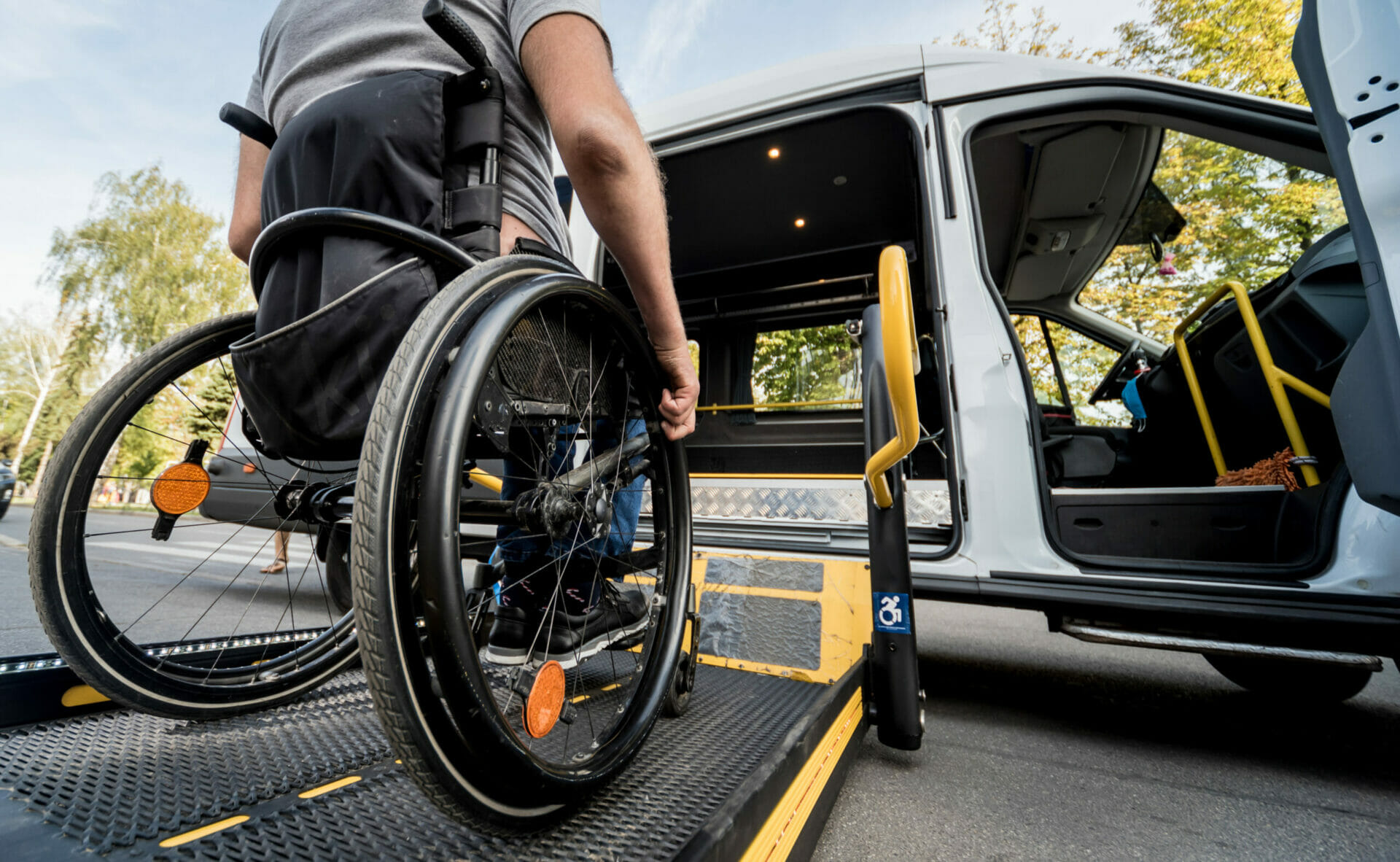
An accessible journey does not end once a passenger enters the vehicle. Wheelchair tiedown systems, occupant restraints and modified seating can help provide appropriate support while travelling. Australian NDIS information specifically identifies modified restraints and modified car seats among common vehicle modifications.
Interior layout matters as well. Adequate space can make it easier to position mobility equipment without creating unnecessary obstacles. Grab points, accessible controls and thoughtful seating arrangements can further improve the passenger experience.
For people arranging supported travel, NDIS registered transport providers can be found here, giving participants another starting point when looking for services that match their individual transport needs. The NDIS provides a provider finder that allows users to search for registered providers, including those offering assistance with travel and transport arrangements.
Accessible Design Can Support Greater Independence

The broader goal of accessible vehicle design is to make everyday movement less dependent on complicated arrangements. When boarding systems, restraints and interior layouts are designed around different mobility requirements, passengers may have more practical options for completing routine journeys.
Technology could expand those possibilities further. Australian accessibility guidance for connected and automated vehicles has examined innovations such as automated wheelchair docking and boarding systems designed to support more independent travel.
Importantly, different disabilities create different requirements. Effective accessible transport therefore depends on flexible solutions rather than assuming that one vehicle configuration will work equally well for everyone.
Conclusion
Accessible vehicle design is helping remove practical barriers that can make everyday transportation difficult for people with disabilities. Ramps, hoists, suitable restraints and better interior layouts can improve both safety and usability. As vehicle technology continues to develop, designing transportation around the needs of passengers can contribute to greater choice, independence and confidence in everyday mobility.